New technology development
Developing original solutions in fields such as AI, computer vision and sensors.
R&D
Original R&D projects built with scientific method; from academic knowledge to technology products.
DGH Ar-Ge is a team that combines engineering expertise with scientific knowledge. We analyze requirements with scientific method and develop solutions based on advanced technology through literature review, goal setting, prototyping and measurement.
With our experience in university–industry collaboration, we turn academic output into products used in the field.
In detail
R&D projects are work whose outcome isn't known in advance. To manage this uncertainty, work begins by defining the problem, reviewing the literature, and setting hypotheses and success criteria. At each stage the hypothesis is tested experimentally, and the direction is adjusted based on the results.
This approach both reduces technical risk and objectively demonstrates the innovative (original) side of the project; this transparency is also valuable in funding applications.
The idea is first tested with a small, fast prototype. The prototype is built not to include every feature but to test the project's riskiest assumption. Results are evaluated objectively against predefined criteria.
A successful prototype is moved to a scalable product architecture; a failed hypothesis is learned early and cheaply.
Thanks to our academic staff and university partnerships, we bring scientific depth to advanced technical topics. We translate research output into product requirements and turn technology into solutions usable in the field.
Intellectual property, publication and commercialization issues are clarified at the start of the project, and the parties' expectations are put in writing.
Scope
Problem definition, literature and method selection.
Making the idea quickly testable.
Objective evaluation of results against the goals.
Transition from prototype to scalable product.
Joint work with academic staff.
Project preparation suited to funding programs.
Problem → solution
We have an innovative idea but don't know if it's technically possible.
We measure feasibility with scientific analysis and rapid prototyping.
Our R&D budget is limited and we don't want to take risks.
We invest step by step with stage gates (go/no-go).
We want to work with a university but don't know the process.
We set up and manage the university–industry collaboration model.
Process
Problem definition and analysis of existing solutions.
Deliverable: Literature and feasibility summaryGoals, experiment design and work packages.
Deliverable: R&D planRapid prototypes and experiments.
Deliverable: Prototype and experiment resultsObjective evaluation against criteria.
Deliverable: Evaluation reportTransition to a scalable product.
Deliverable: Product roadmapUse cases
Developing original solutions in fields such as AI, computer vision and sensors.
Applying academic knowledge to problems in the field.
Organizing R&D activities within a formal framework.
Things to watch out for
Large investment without a prototype
The right way: test the risky assumption in a small prototype first.
Not defining success criteria
The right way: objective evaluation with numerical criteria.
Leaving intellectual property until the end
The right way: clarify it in the contract at the start of the project.
Portfolio
Developing an AI-based product idea, determining its eligibility for a funding program and preparing the application file.
1 Application file preparedView project R&D ServicesElectronics and manufacturing · 2025End-to-end consulting through the R&D center setup process with eligibility analysis, organization, documentation and application preparation.
1 Completed applicationView project VR / AR ApplicationsIndustry and training · 2026A virtual reality training simulation that lets trainees safely experience hazardous work environments and measures training performance.
+%40 Knowledge retention (example)View projectFAQ
In the free initial consultation we listen to the idea, assess its scientific feasibility and plan the first steps.
Yes. We support project preparation, the application file and execution. For details, see our R&D & TÜBİTAK consulting page.
Intellectual property terms are clarified in the contract at the start of the project.
It depends on the complexity of the topic. The feasibility and prototype stage starts at a few months; productization is planned separately.
Yes; R&D is inherently uncertain. We stage the investment with gates and report what was learned as valuable output.
R&D is systematic work aimed at producing new knowledge or using existing knowledge to develop new products, processes or services. Original, methodical activities that involve technical uncertainty count as R&D; routine updates are generally out of scope.
The stages are idea and literature review, feasibility, design, prototype, testing and validation, pilot implementation and productization. Outputs and decision points are defined at each stage, so risks are seen early.
Academic staff suited to the topic are identified, and the scope and intellectual property terms are put in writing by the parties; if needed, a joint project is carried out under a funding program. Our academic team acts as a bridge in these collaborations.
Non-disclosure agreements, document management and, when needed, preliminary research for patent, utility model or design registration are carried out. Ownership rights are clearly defined in the contract. For legal filings, we recommend working with specialist patent attorneys.
Personnel, equipment, service procurement and testing costs are planned by work package. If a funding program is to be used, eligible cost items and application rules are evaluated separately according to the relevant call text.
Once the prototype is validated, a productization plan is prepared with a scalable architecture, quality assurance, a production or release plan and user feedback. The go-to-market strategy is also part of this plan.
The legislation provides various incentives and exemptions for R&D and design activities. The conditions for using them vary by company and period. We recommend evaluating them with your accountant according to current legislation; we support the technical documentation side.
Explore
We build custom AI systems for your organization that turn data into decisions.
Explore TransformationA measurable digital transformation roadmap, from current-state analysis to implementation.
Explore ProjectBusiness development, project management and resource-based planning from idea to implementation.
ExploreBlog
General steps in preparing for R&D funding and TÜBİTAK project applications: idea development, feasibility, project proposal, budget and execution.
Read article Artificial Intelligence · 4 min min readHow to start an AI project: define the business problem, prepare data, build a prototype, measure and go live. A practical guide for organizations.
Read articleHow can we help you?
Software SupportExisting software and technical support Project SupportNew projects, quotes and consultingWe reply quickly on business days.
 R&D Services
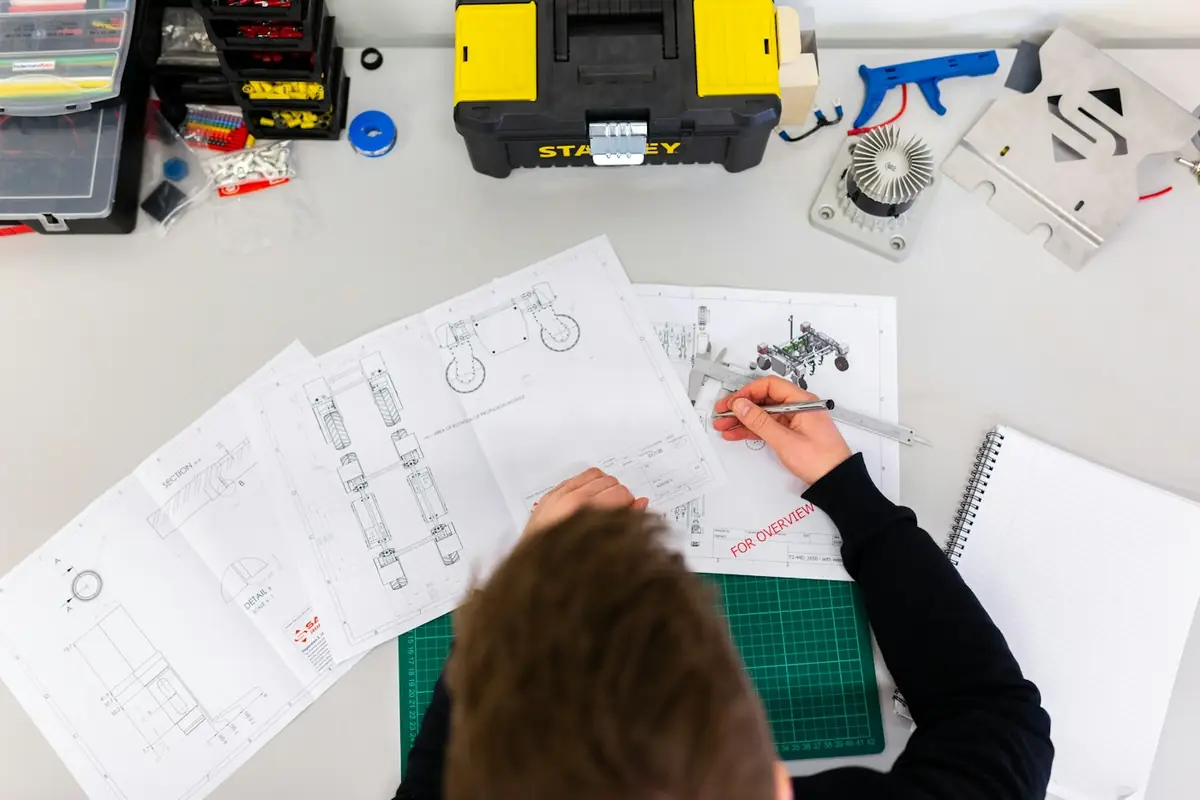 R&D Services
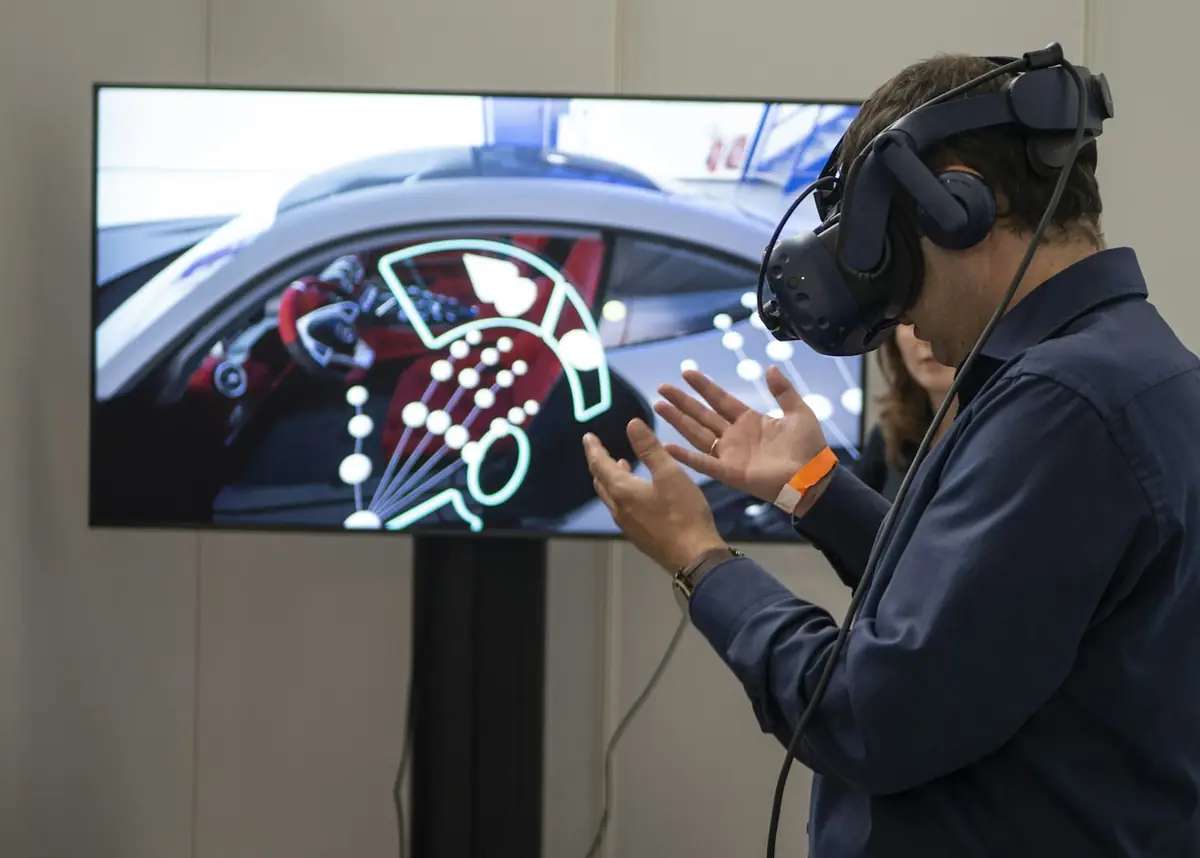 VR / AR Applications