
Customer / dealer portal
A secure, permission-based portal for orders, documents and requests.
Software
End-to-end enterprise software engineering, from analysis to maintenance.
Software projects succeed through accurate analysis and solid architecture. We clarify the requirements, build a scalable architecture and run development and testing transparently.
After delivery, we're also there for monitoring, security updates and new requirements.
In detail
The most expensive mistake in software projects is a misunderstood requirement. Together with stakeholders we clarify workflows, user roles and success criteria and put them in writing as user stories and acceptance criteria.
Through prioritization we separate "must-have", "nice-to-have" and "can wait" and keep the scope of the first release realistic.
A scalable, easy-to-maintain architecture is built with a modular structure, clear separation of responsibilities and documented APIs. Technology is chosen not by fashion but by your team's ability to maintain it and the project's needs.
Code review, automated tests and continuous integration safeguard quality throughout the process. This reduces the risk of breaking existing functionality when making changes.
Go-live is done with automated deployment, backups and a rollback plan. Monitoring tools track errors and performance, so issues are addressed before users notice them.
With a post-delivery maintenance and development contract, security patches, dependency updates and new requirements are handled regularly.
Scope
Identifying and prioritizing needs with scientific method.
A scalable, secure, easy-to-maintain structure.
Web, desktop and service-based applications.
Automated and manual testing processes.
Deployment, monitoring and backup infrastructure.
Continuous improvement and technical support.
Problem → solution
Our previous software project went over budget and schedule.
With phased delivery and transparent progress reports we spot and manage scope creep early.
The person who built the software left and nobody knows how it works.
With documentation, testing and clean architecture we tie knowledge to the system, not to individuals.
Our system slows down as it grows.
We remove bottlenecks with performance analysis and a scalable architecture.
Process
Requirements and risks are clarified.
Deliverable: Requirements documentTechnology, data model and integrations are defined.
Deliverable: Architecture documentDevelopment and demos in two-week cycles.
Deliverable: Working releasesAutomated/manual testing, security checks.
Deliverable: Test reportDeployment, training and ongoing support.
Deliverable: Live system and maintenance planUse cases
A secure, permission-based portal for orders, documents and requests.
A system that brings multiple Excel and email processes together in one application.
A middleware layer that ensures reliable data flow between different software systems.
Things to watch out for
Starting without clarifying the scope in writing
The right way: a written scope with acceptance criteria.
Leaving testing until the end
The right way: make testing part of development.
Skipping documentation
The right way: include architecture and setup documentation in the delivery.
Portfolio
An API-based platform that brings ERP, CRM and e-commerce systems together in one integration layer.
−%80 Manual data transferView project Custom Software SolutionsLogistics · 2025Custom software that brings vehicle, driver and shipment data into one panel and warns of delay risks in advance.
−%31 Customer complaintsView projectFAQ
After the free initial consultation and analysis, we share the scope, priorities and timeline in writing.
Yes. We prepare a phased delivery plan that puts critical functions into operation first.
The terms are set out clearly in the contract. Ownership is usually transferred to the client after payment; we clarify this at the start of the project.
Yes. We review the code, assess the technical debt and offer options for further development or replacement.
At the end of each sprint we share a demo, a regular progress report and an open task board.
We choose technology according to the project's requirements: modern front-end frameworks and robust backend solutions for the web, relational and document databases for data, and a REST API approach for integration. The goal is to build a sustainable architecture that your team can also support in the future.
We work with code reviews, automated and manual tests, phased demos and acceptance criteria. With every delivery we share a working version and test results. That way defects are caught early, not at the end of the project.
Change requests are evaluated in writing; their time and budget impact is shared openly, and they are added to the scope with your approval. This method adapts to real needs that emerge as the project progresses while keeping the budget from getting out of control.
Yes. Technical documentation, an installation guide and a user manual are part of the delivery. That way the knowledge stays with you, and another team can continue developing the system in the future.
During development we apply security-focused coding, authorization checks, input validation and dependency scanning. For critical systems we can plan an additional security assessment before release.
Yes. We integrate with systems such as ERP, CRM, accounting, payment and shipping at the API, file or database level. Error cases in integrations are designed too, so no data is lost when a system is temporarily down.
License and intellectual property terms are written clearly in the contract. For custom-developed projects, our principle is to transfer source code and usage rights to you under the contract.
Explore
Software that fits your business processes exactly, where off-the-shelf packages fall short.
Explore ERPScalable enterprise resource planning software that fits your processes exactly.
Explore TransformationA measurable digital transformation roadmap, from current-state analysis to implementation.
ExploreHow can we help you?
Software SupportExisting software and technical support Project SupportNew projects, quotes and consultingWe reply quickly on business days.
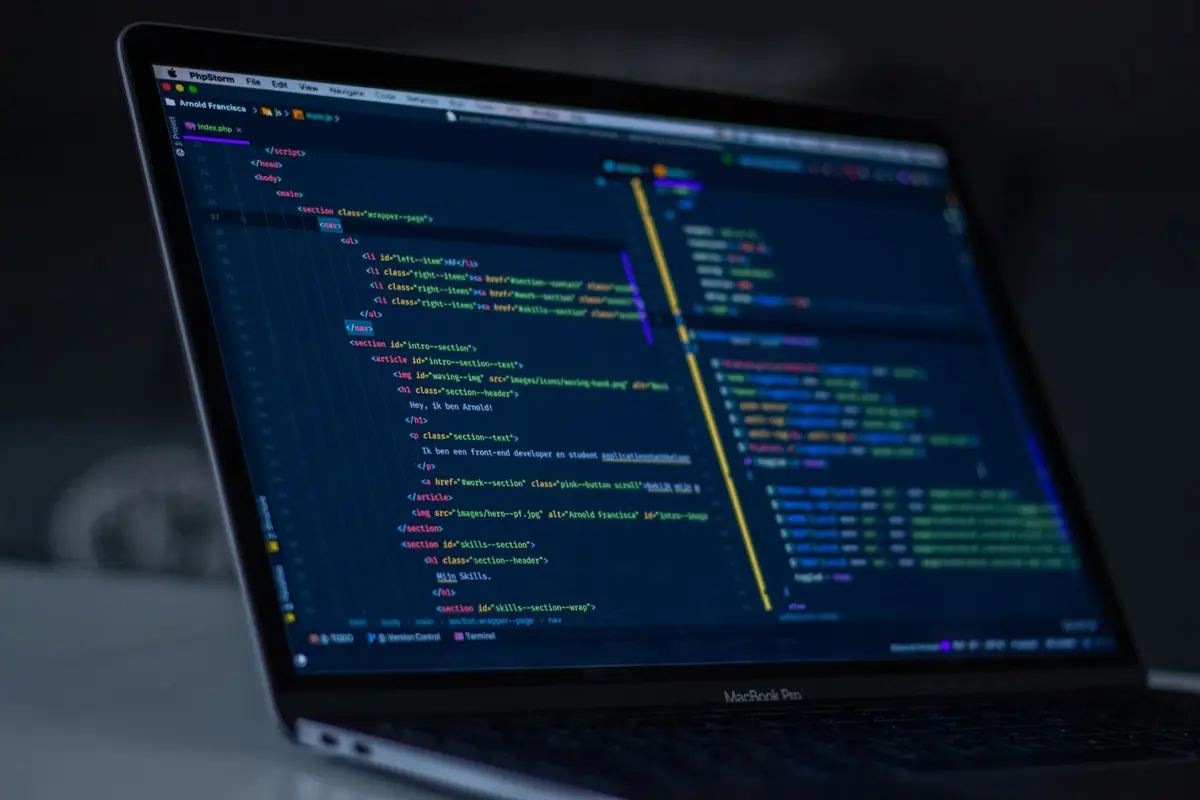 Software Solutions
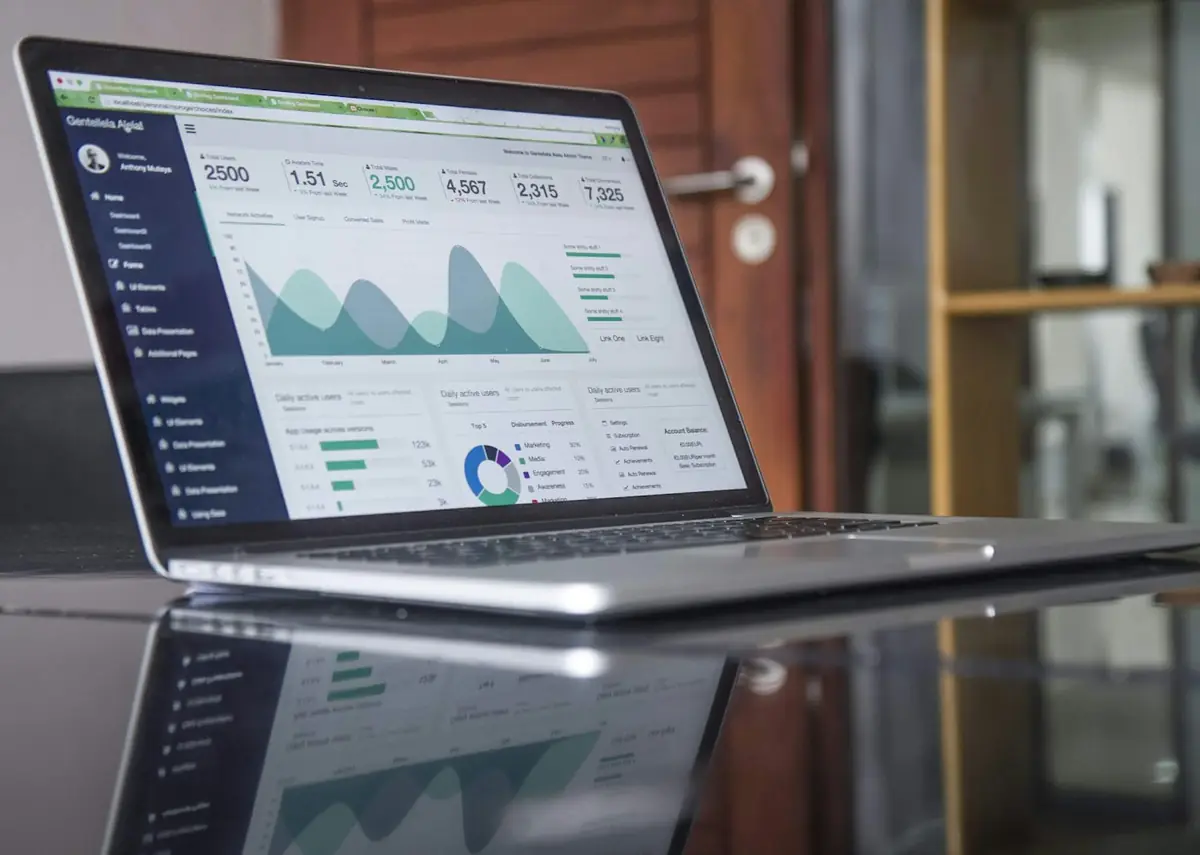 Custom Software Solutions