
AI Applications · Automotive supplier
Automated Quality Control with Computer Vision on the Production Line
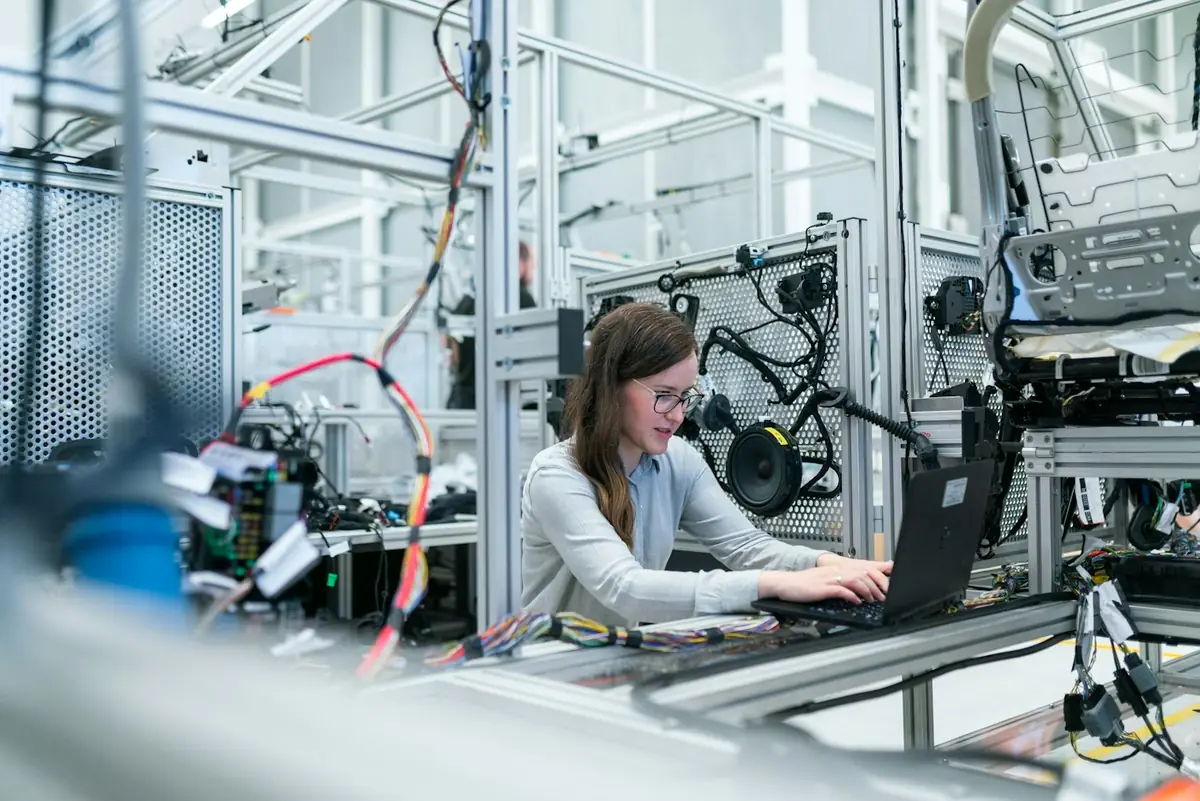
A computer vision system installed at the quality control station of a metal parts manufacturer catches surface defects at line speed.
The problem we faced
Visual inspection of parts was both slow and produced results that varied by operator. Some defective products could make it all the way to shipment, causing return and rework costs.
SolutionThe approach we developed
With a camera and lighting setup installed on the line, we developed a deep learning model that recognizes surface scratches, burrs and dimensional deviations. The system classifies each part within milliseconds, signals defective parts to the reject station and records them with image evidence. The model was designed to be easily retrained for new product variants.
Results
Measured gains
Process
How did the project progress?
- 01
Preliminary analysis
Defect types, sample images and line speed were examined.
- 02
Data and prototype
A labeled dataset was created and the first model measured.
- 03
Line installation
Camera, lighting and processing unit were installed.
- 04
Go-live
After parallel operation, the full switchover was made.
Images
Snapshots from the project
Explore
Related services
AI Applications
We build custom AI systems for your organization that turn data into decisions.
Explore AI · VisionComputer Vision Applications
Image processing and computer vision solutions for quality control, counting, recognition and measurement.
Explore AutomationAutomation Systems
We turn repetitive work into smart workflows for greater efficiency and speed.
ExplorePortfolio
Similar projects
 AI Applications
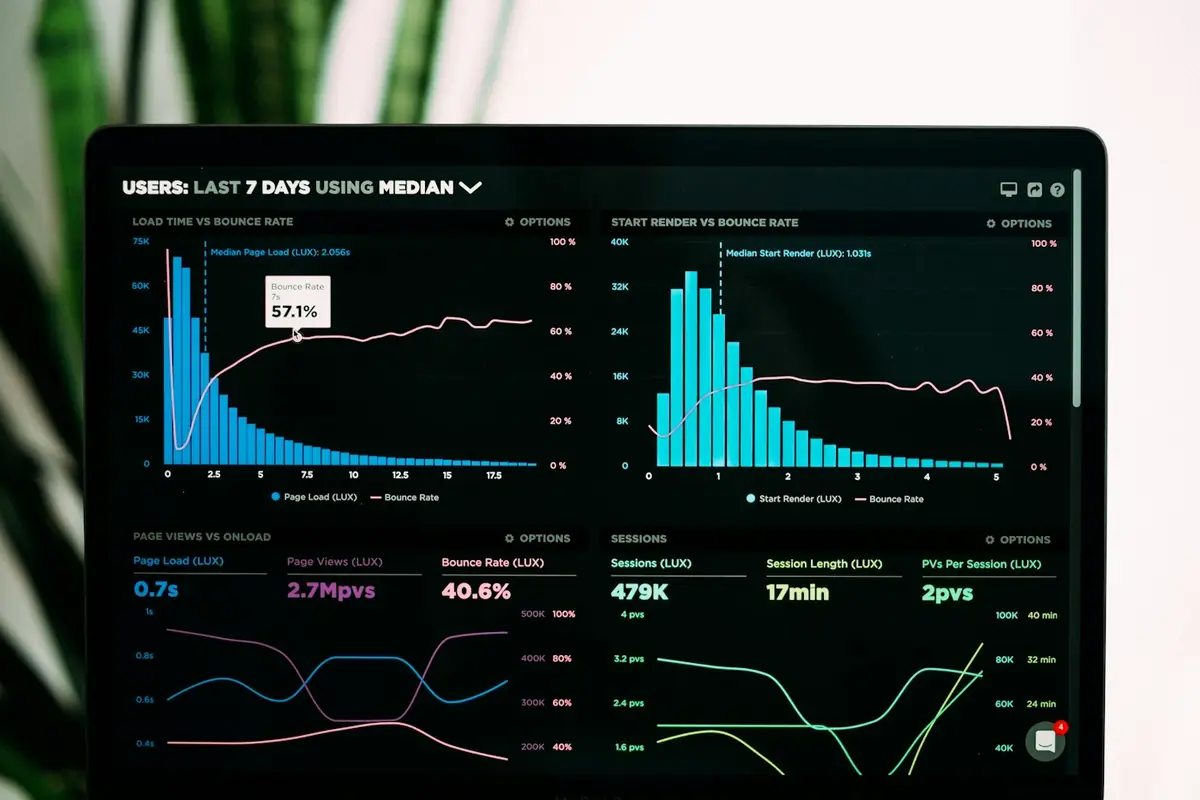
Stock Optimization with a Demand Forecasting Model
For a multi-warehouse distributor we developed a model that produces weekly demand forecasts from sales history and suggests orders.
−%27 Number of stockoutsView project ERP SolutionsMetalworking and manufacturing · 2025Manufacturing ERP System for a Metalworking Company
A manufacturing ERP that brings work order, stock, quality and cost processes into one database and runs with barcode terminals on the shop floor.
−%45 Planning timeView project E-Commerce SitesWholesale · 2026 E-Commerce Sites
B2B Dealer Portal for a Building Materials Wholesaler
A B2B e-commerce portal integrated with ERP that offers dealer-specific prices, account balances and quick ordering.
−%60 Manual order entryView projectFAQ
About this project
What problem did this project solve?
Visual inspection of parts was both slow and produced results that varied by operator. Some defective products could make it all the way to shipment, causing return and rework costs. A computer vision system installed at the quality control station of a metal parts manufacturer catches surface defects at line speed.
Which technologies and methods were used in the project?
The project used technologies and methods such as Python, PyTorch, OpenCV, Industrial camera, REST API, PostgreSQL. The technology choice was based on the project's requirements and the existing systems.
How long did the project take and what were the results?
The project took about 4 months. Key results: Defective parts reaching shipment: −%38; Detection accuracy: %96; Inspection speed: 3x. Results are measured by comparing indicators before and after the project.
How much data is needed to start an AI project?
The amount of data needed depends on the problem. In the first meeting we review the available data and clarify together the project's feasibility and which data needs to be collected.
Can the AI solution connect to our existing systems?
Yes. We integrate the models we develop into your ERP, web and mobile applications via API.
Free initial consultation
Let's plan your project together
In a free initial consultation we listen to your needs and define the scope and timeline together.